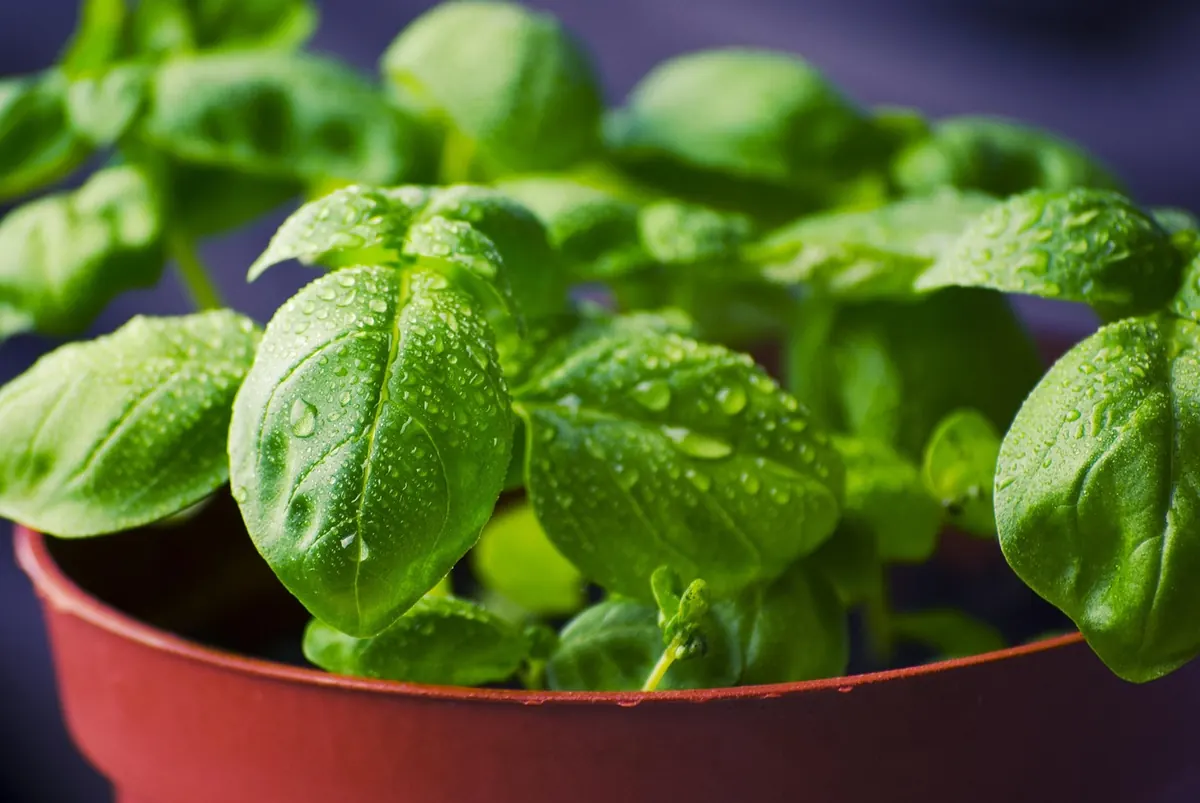
A balcony can produce real food, even when the wind rattles the railing and the afternoon sun turns terracotta hot to the touch. The trick is not to fight those conditions but to choose pots, compost and crops that suit them. Most disappointing balcony harvests come down to three things: a pot that is too small, compost that dries out or stays soggy, and a crop that needs more root room than the terrace can offer. Get those basics right and a few square metres become genuinely productive.
Roots need space, and a pretty pot that looks generous on the shelf may hold very little compost. Check the volume in litres and the depth before you plant. Shallow-rooted salads and radishes can manage in a window box, but chard, beans and tomatoes need room to descend. Drainage holes are essential; a saucer that sits full of water after rain is worse than no saucer at all. Raise pots on feet so excess water can escape and air can move beneath them.
Wind changes the calculation. Tall, light pots tip; broad, heavy pots stay put. Group pots together to create a sheltered microclimate, and keep the heaviest containers at the base of a wall or railing. Dark pots absorb heat, which is useful in cool weather but punishing in a sun trap, where roots can cook. Light-coloured containers, or a piece of cardboard shaded around the base, can make summer watering far easier.
Do not cram several hungry plants into one small pot and hope for the best. One compact tomato per 30–40 litre container will outperform three starved ones. And skip the old advice about putting stones in the bottom of pots: it raises the water table and reduces the compost you have paid for. Use drainage holes, a good compost and a pot that fits the plant’s final size.
On a hot balcony, compost has a hard job: it must stay moist through a windy afternoon without becoming a swamp after a downpour. A peat-free multipurpose compost with added perlite or bark is a sensible starting point. For thirsty crops such as tomatoes and chard, a loam-based compost holds moisture more steadily and gives roots something to anchor into. Garden soil alone is usually too heavy in pots, compacts quickly and may bring weeds or pests with it.
Fill containers to within 2–3 cm of the rim so there is room to water. Firm the compost gently as you plant; you want no air pockets, but you are not building a concrete block. After planting, water until it runs from the drainage holes, then let the surface dry slightly before watering again.
Most multipurpose compost contains enough nutrients for the first few weeks. After that, hungry crops need help. Mix a slow-release fertiliser into the compost at planting, then switch to a liquid feed once flowers and fruit appear. Tomatoes, chillies and peppers benefit from regular feeding; leafy crops are usually satisfied with a weaker dose. Overfeeding can produce lots of leaf and little fruit, so follow the label rather than guessing.
A thin layer of composted bark or grass clippings over the compost surface slows evaporation and keeps roots cooler. Leave a small gap around the stem so it does not rot. In a sun-baked spot, this simple step can mean the difference between a plant that survives the day and one that wilts by noon.
Look for compact, dwarf or cut-and-come-again varieties. These ten are reliable in containers and forgiving of the occasional missed watering, provided the pot size is right.
A solid windbreak can create damaging turbulence, so use a mesh screen or a row of sturdy pots instead. Secure lightweight containers to the railing with purpose-made brackets, and avoid tall plants in exposed corners. On blazing days, water in the morning so plants go into the afternoon with a full reservoir. Check again in the evening during heatwaves, but do not drown roots that are already sitting in wet compost.
Group thirsty crops together and place them where you will see them daily. A balcony garden fails more often from neglect in a busy week than from poor plant choice. Pick before you leave for work, water when you return, and remove damaged leaves promptly so problems do not spread.
Start in spring with lettuce, radish and spring onions. Add chard and beetroot once the worst cold has passed. Wait until nights are reliably warm before putting tomatoes, chillies and beans outside, and harden them off gradually rather than moving them straight from a warm windowsill to a windy railing. In late summer, sow kale and more salad leaves for autumn. A few small sowings every three weeks will give you more than one heroic sowing that arrives all at once.
Choose one salad container, one compact cherry tomato and one chilli or pepper plant. Put them where you can see them from the kitchen, check the moisture with a finger before watering, and harvest regularly. Once those three are thriving, add another pot. A small balcony rewards attention far more than enthusiasm alone.
Photo: tookapic / Pixabay
A soil test report is only intimidating until you know which numbers change your decisions. Here's how to read pH,...
A practical guide to deadheading: where to pinch, how to angle the cut, and which flowers to leave alone so seed...
Choose perennials by shade type, not hope: five for dry shade, five for damp shade, with bloom times and spacing to...

Cultivating beauty in every garden corner.
