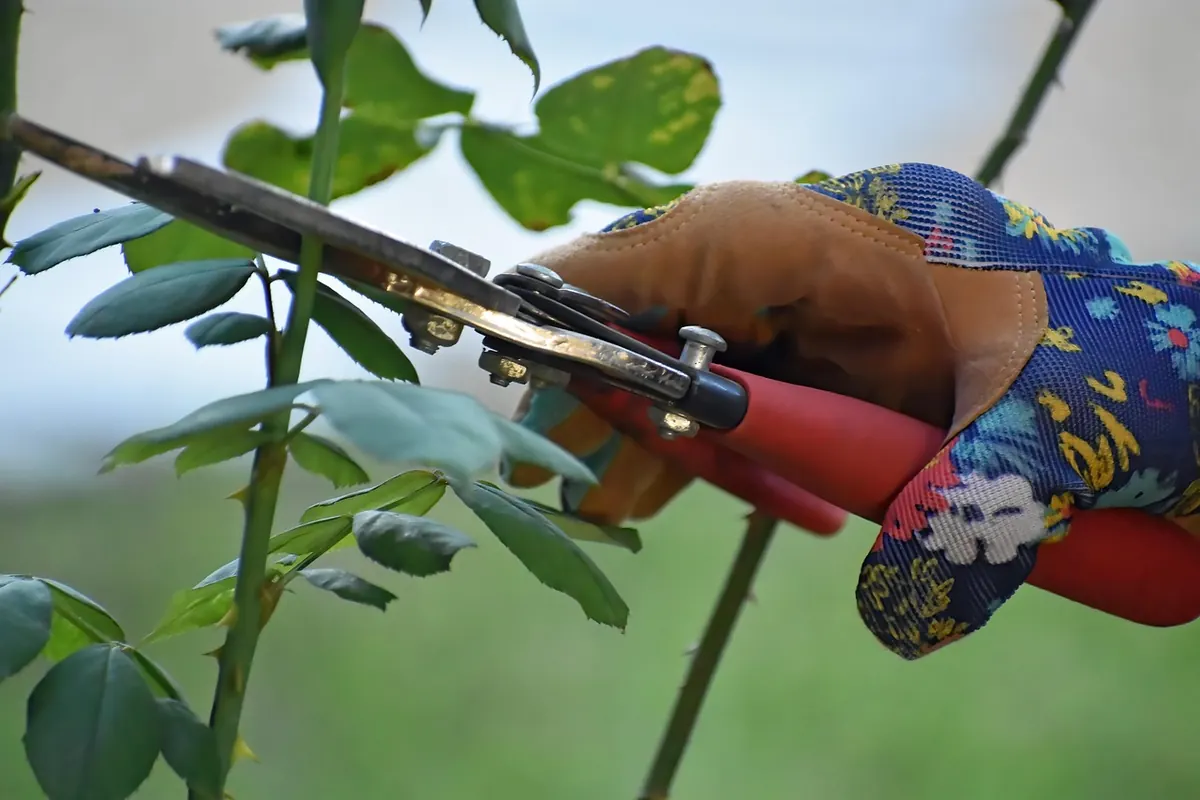
Most flowers in your garden are quietly doing arithmetic. Once a bloom has been pollinated, the plant's work is essentially finished and its energy shifts towards seed. Deadheading interrupts that calculation. Remove the fading flower before seed sets and the plant, still holding a budget it hasn't spent, often pushes out another round of buds. It is the cheapest way to extend a display you have already paid for in compost, water and patience.
It is also a job a lot of gardeners do badly, or do in the wrong places. Stems get hacked back to bare stubs. Good seed heads get thrown on the compost. Hours disappear on plants that would rather be left alone. The fix is mostly about knowing where to put the blades, and when to put them down.
Flowers exist to make seed. When you cut a fading bloom, you remove the developing seed pod and interrupt the hormone signals that tell the plant to stop producing new buds. For repeat-flowering annuals and perennials, the result is more flowers over a longer season. For plants that flower only once, deadheading does something different but still useful: it stops the plant pouring resources into seed you didn't want, which is why we snap the heads off tulips and daffodils even though they will never bloom again that year.
Two things follow from that. First, timing matters more than technique. A flower left until the seed pod is swelling has already cost the plant what it was going to cost. Second, deadheading is not the same as pruning. You are removing spent flowers and the minimum stem needed to keep the plant looking tidy and growing well, not restructuring it.
This is where most of the good work happens. The aim is a clean cut just above a growing point, so the plant's response is a new shoot rather than a dying stub.
Before you cut, look down the stem from the faded flower. You are looking for a leaf joint, a pair of leaves, or a small bud sitting in the angle between leaf and stem. That is the node, and it is where the next flush of growth will come from. Cut above it, never below it. A stem cut back to bare wood with no node has nothing to regrow from and will simply die back, leaving a hollow or a rot pocket.
Make the cut at roughly 45 degrees, sloping down and away from the bud or leaf you are leaving behind. Practically, this does two things: it stops water pooling on the cut surface, and it leaves a smaller wound than a flat cut through a soft stem. On hollow-stemmed plants such as dahlias and delphiniums, cut a little higher above the joint so the hollow end isn't left open to the weather.
For a single bloom on a long stem, take the flower plus enough stem to reach the first strong node — usually four to eight inches. For a plant carrying a cluster, such as a geranium or a floribunda rose, deal with it in stages: pick out individual faded flowers as they go over, then cut the whole truss back to a side shoot once the cluster is finished.
Roses are fussier than most. On repeat-flowering bush and shrub roses, cut back to a five-leaflet leaf on a strong shoot pointing away from the centre of the plant, about a quarter inch above it. On cluster-flowered roses, snap out single faded blooms with your fingers first. Species roses are the exception — see below.
Dahlias and delphiniums have hollow stems, so leave a slightly longer stub above the joint and expect new growth to break from lower down. Cosmos and calendula want picking as much as deadheading: the more you cut, the more they produce. Hardy geraniums are better treated with a midseason haircut — shear the whole plant back after the first flush and it will reward you with fresh leaves and a second flowering.
Some plants should be left well alone, and a few are simply not worth the time.
Busy lizzies, wax and tuberous begonias, nemesia, diascia, nicotiana and most modern calibrachoa and petunia varieties drop their spent flowers on their own. You can walk straight past them. If a trailing petunia goes leggy in August, give it a cut back with scissors rather than fiddling with individual flowers. Lilac, peony and other once-blooming shrubs don't rebloom from deadheading either; trim faded flowers for neatness if you like, but don't expect a second show.
Don't schedule deadheading as a big job. Take a bucket and a pair of snips on a slow walk after breakfast, two or three times a week in midsummer, and cut as you go. Start with the heavy repeat flowerers — roses, dahlias, cosmos, sweet peas, geraniums — and stop there. Leave everything on the skipping list standing. You'll spend less time overall than you would on one long session, the border will keep flowering into September, and the birds will have something to eat when the frost comes.
Photo: Ray_Shrewsberry / Pixabay
A practical beginner’s guide to growing vegetables on windy, sun-baked balconies, with pot sizes, compost advice and...
A soil test report is only intimidating until you know which numbers change your decisions. Here's how to read pH,...
Choose perennials by shade type, not hope: five for dry shade, five for damp shade, with bloom times and spacing to...

Cultivating beauty in every garden corner.
