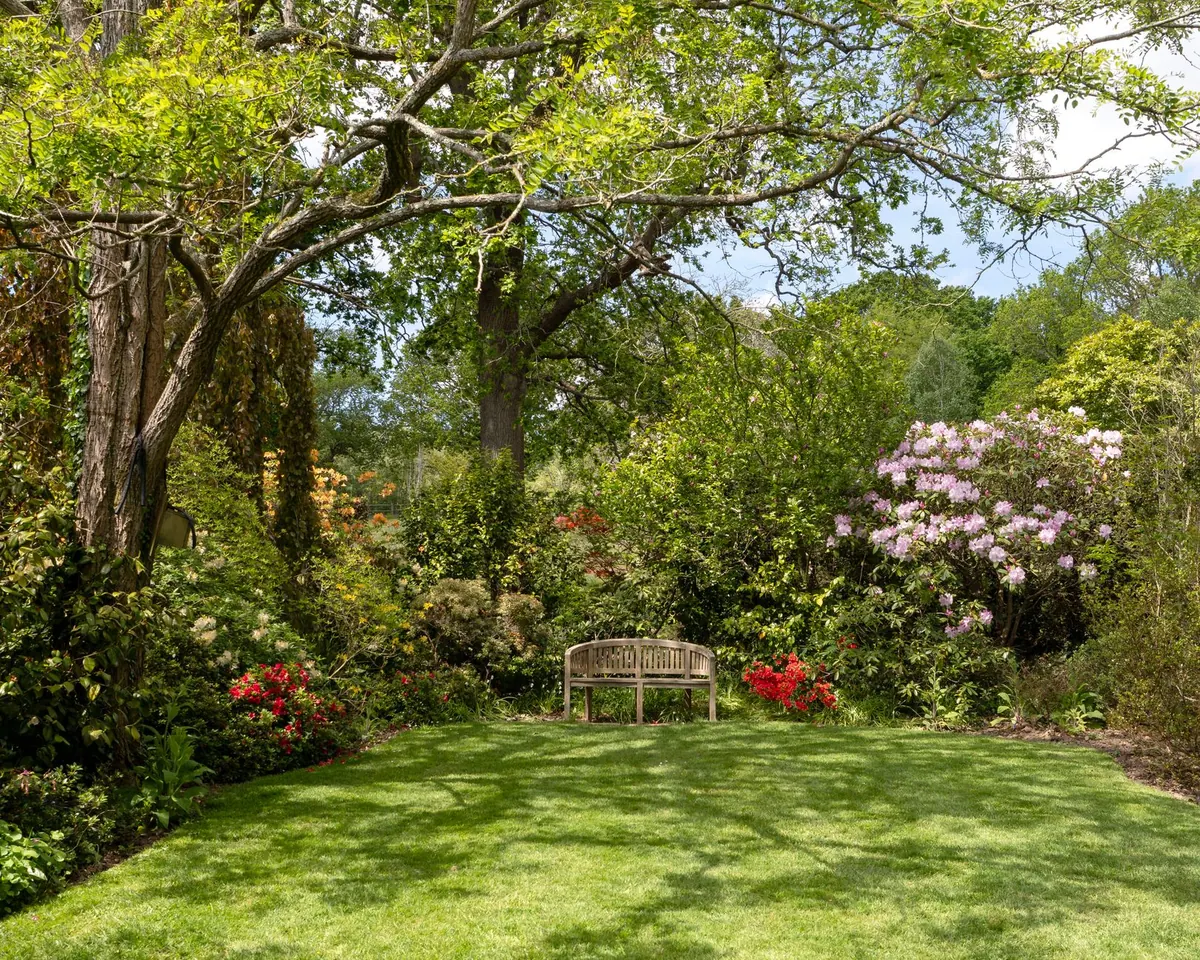
Shade is not one condition. The dry, root-packed ground beneath a mature oak is a different world from the cool, moisture-holding border behind a north-facing wall. Plant the wrong perennial in either place and you get leaves but no flowers, or a plant that sulks until it disappears. The useful approach is to read the soil first, then choose plants that already expect those conditions. These ten are reliable enough to earn their space, and each one brings a clear season of colour.
Push a trowel into the soil a few hours after rain. If it is dusty below the surface, you are gardening in dry shade. If it stays cool and damp, perhaps with moss or liverwort nearby, you have damp shade. Both can support flowering perennials, but the planting technique and the plant list are different.
Dry shade is usually created by tree roots and eaves. The soil may be thin, dusty and full of fine roots. Damp shade is often clay-based or sheltered from sun and wind, so it dries out slowly. Neither condition means you should dig a deep bed and fill it with rich compost; under trees, that can damage roots and create a sump. Work with the soil you have, adding a thin mulch of leaf mould or garden compost each autumn.
Spacing matters as much as the plant choice. The measurements below are centre-to-centre, not the width of a pot. Give plants room to knit together without crowding, and leave a little more space in dry shade where growth is slower.
Bloom: mid to late spring. Spacing: 30–40cm. Epimedium, or barrenwort, sends delicate spurred flowers above leathery leaves just as the tree canopy fills. Once established it tolerates dry, rooty soil, though it needs watering through its first summer. Cut old foliage back in late winter so the flowers are not hidden.
Bloom: late spring to early summer. Spacing: 45–60cm. Bigroot geranium is a useful weed-suppressing groundcover with aromatic leaves and pink or white flowers. It settles into dry shade without fuss and often colours up in autumn. Trim spent flower stems if you want a tidier look, but leave some seedheads for winter structure.
Bloom: late winter to early spring. Spacing: 45–60cm. Lenten roses give flowers when little else is awake. They like moisture in winter but tolerate drier summers under deciduous trees. Plant them where the flowers can be seen from a path, and remove old leaves in late winter to show off new growth and buds.
Bloom: late summer to autumn. Spacing: 30–45cm. This strappy, evergreen perennial looks like a grass but produces short spikes of violet flowers. It is tolerant of dry shade once rooted in, and it holds the edge of a border well. Avoid planting it in a hollow where winter water sits.
Bloom: early to mid spring. Spacing: 45–60cm. Bergenia’s thick leaves and pink flower clusters make it a sturdy front-of-border plant. It manages dry shade, though it blooms best with a little moisture in spring. Remove damaged leaves after winter and divide clumps every few years if the centre becomes bare.
Bloom: late spring to early summer. Spacing: 30–40cm. Candelabra primulas carry tiers of flowers on upright stems and self-seed freely when the soil stays moist. They are ideal for a damp corner or the edge of a pond-side bed, but they do not want to be submerged in winter. Leave seedheads to ripen if you want more plants.
Bloom: early to mid summer. Spacing: 40–50cm. Astilbe brings feathery plumes in white, pink or red above ferny foliage. It needs consistent moisture in shade, especially in its first year, and benefits from a mulch that keeps the roots cool. Water at the base rather than over the foliage in dry spells.
Bloom: mid to late summer. Spacing: 45–90cm, depending on the cultivar. Hostas are grown mainly for their leaves, but their lavender or white flowers are valuable for late colour. They prefer damp shade with decent drainage, and they are a favourite of slugs. Choose a smaller cultivar for a tight space and set the crown at soil level, not buried.
Bloom: late spring to early summer. Spacing: 45–60cm. Globeflowers produce rounded buttercup-like blooms in yellow or orange. They are at their best in moist, cool soil and can look tired if the ground dries out in summer. Plant them with astilbe and primula for a damp-shade border that peaks in early summer.
Bloom: late summer. Spacing: 60–90cm. Ligularia has bold, rounded leaves and daisy-like yellow flowers on tall stems. It is a substantial plant for damp shade, but it wilts dramatically when dry, so it needs a reliable moisture supply. Slugs can damage young leaves; plant it out at a decent size rather than as a tiny plug.
It is easy to buy one plant from each list and end up with a scatter of isolated flowers. A better method is to plan three layers: low groundcover at the front, mid-height perennials behind, and a few vertical flower stems for contrast. Then check the calendar so something is in bloom from late winter to autumn.
For dry shade under a deciduous tree, try Epimedium at the front, Geranium macrorrhizum in the middle and Helleborus grouped nearby for winter interest. In damp shade, use Primula at the edge, Astilbe behind it and Hosta or Ligularia as the larger statement. Keep the spacing generous; these plants will fill in, and crowded crowns in damp soil are more prone to rot.
Under trees, dig individual planting holes rather than turning over the whole area. Remove weeds, loosen the base of the hole and set the plant at the same depth it was in its pot. Tease out circling roots, firm the soil and water well. Keep mulch 5–7cm deep, but pull it back from stems and trunks so it does not trap moisture against them.
For the first season, water dry-shade plantings deeply every week or two in warm weather; a light daily sprinkle encourages shallow roots. In damp shade, the opposite risk applies: check that water does not stand in the hole. If it does, plant slightly higher on a small mound of soil and grit, and choose the wettest-tolerant plants for that exact spot. Avoid planting in frozen ground or high summer, and label each clump with its bloom time and spacing so you can divide it later without guesswork.
Start with two or three plants from the list that matches your soil, not the whole collection. Watch how they perform for a season, then fill the gaps with divisions or a few more pots. A shade border does not need to be a green holding area. With the right perennials, correct spacing and a little patience in the first summer, it can carry colour from February through to October.
Photo: Bob Jenkin / Pexels

A practical beginner’s guide to growing vegetables on windy, sun-baked balconies, with pot sizes, compost advice and...

A soil test report is only intimidating until you know which numbers change your decisions. Here's how to read pH,...
A practical guide to deadheading: where to pinch, how to angle the cut, and which flowers to leave alone so seed...

Cultivating beauty in every garden corner.
