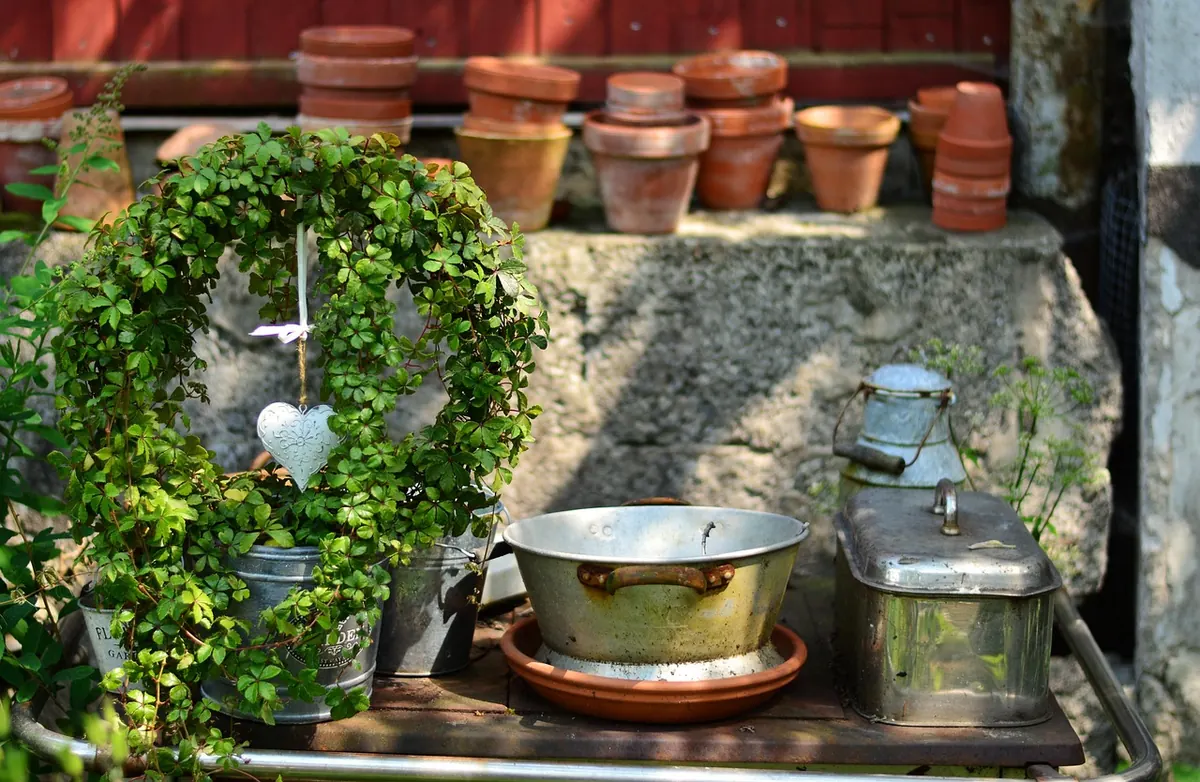
Most container plants don't die of neglect. They die of kindness, delivered from a watering can. A pot is a small, closed world with no subsoil to retreat into and no drain to carry away the excess, so every drop you add stays in the conversation. Water too little and roots scorch at the edges. Water too much and they drown in a space barely bigger than a bucket. The good news is that nearly every watering failure is predictable, visible and easy to correct once you know what you're looking at.
It's the most common habit in container gardening. You tip a little water over the top, the surface darkens, and the job feels finished. It isn't. The top centimetre of compost dries within hours on a warm day, while the root ball below stays dusty and untouched.
The damage goes beyond thirst. Roots follow moisture, so a plant watered shallowly grows its roots upward into that briefly damp layer instead of down into the body of the pot. You end up with a shallow mat of roots sitting in the hottest, fastest-drying zone — the botanical equivalent of building a house on a sandbar. Dissolved salts from tap water and fertiliser also accumulate in that upper layer, because there's never enough water passing through to flush them out.
Water properly and the pot should feel heavy afterwards. Apply slowly, let it soak in, then come back a minute later and do it again. Two gentle passes push moisture through the whole root ball; one fast flood mostly runs down the inside wall of the pot and straight out the bottom. Keep going until water appears at the drainage holes, then stop and empty whatever collects underneath.
A saucer is there to protect your windowsill, not to give the plant a paddling pool. Roots need air as much as water, and compost that stays saturated for days loses the air pockets roots breathe through. The result is that classic slow decline: lower leaves yellowing, growth stalling, a sour smell when you dig in, and a sudden population of fungus gnats hovering around the pot.
Get into the habit of checking twenty or thirty minutes after watering. If there's water standing in the saucer, tip it out. If a pot sits flat on a wet surface, lift it onto pot feet or three small stones so air can move underneath. Bottom watering has its place — seedlings and thirsty ferns love it — but it works only when you pour off what the compost hasn't absorbed within the hour.
The old warning that droplets scorch leaves is mostly overstated. The real problem with a lunchtime watering is efficiency. On a hot afternoon, a good share of the water evaporates before it ever reaches the roots, and the surface of the compost bakes into a crust that sheds water instead of absorbing it. You use more, and the plant gets less.
Early morning is the best slot. The plant has a full reservoir to draw on through the heat of the day, and any splashed foliage dries quickly as the sun rises. Early evening is the reasonable second choice, though wet leaves sitting overnight can invite problems and slugs appreciate the damp. And don't confuse the optimum with an emergency: if a plant is collapsed and gasping at two in the afternoon, move it into shade and water it now. Thirst kills faster than bad timing.
Pot size is a watering decision made months in advance. Put a small plant into a large pot and you've surrounded its modest root ball with a huge volume of wet compost it can't possibly drink through. That compost stays cold and soggy, and roots rot at the edges before they ever reach it. The plant sulks all season.
Go the other way and the pot becomes a wick. A rootbound plant in a small container can dry out twice in a single hot day, and by the time you notice the wilt, flowering has already stalled. Move plants up one size at a time — a few centimetres wider in radius, not from a litre pot straight into a half barrel.
Two more things worth checking before you fill anything. Drainage holes are non-negotiable, and one clear hole with a piece of mesh over it beats four clogged ones. A layer of gravel in the base does not improve drainage; it raises the saturated zone closer to the roots. Dark-coloured pots also heat up fast in direct sun, which cooks roots and dries compost from the sides inward — shade the pot, not just the plant.
"Every Tuesday and Friday" is a schedule that suits the person holding the can, not the plant. Water use changes with temperature, wind, humidity, pot size, compost, growth stage and whether the plant is sitting in full sun or against a warm wall. In June a tomato in a black pot may need water daily; in October, the same pot could go a week.
Learn to read the pot instead, using the finger-and-weight test:
Group plants by thirst rather than by colour scheme. Thyme, rosemary and lavender want to dry between drinks; hydrangeas and mint do not, and they'll suffer if they share a watering regime.
Severely dry peat-free compost turns water-repellent. You pour, and it runs down the gap between the root ball and the pot wall and out the bottom while the middle stays dusty. If a pot has been neglected, don't just water harder — stand the whole container in a bucket of water to just below the rim for twenty minutes, or water in three slow passes with a pause between each, until the weight tells you the job is done. Breaking up the crusted surface with a fork beforehand helps water get in.
Check your pots once a day in summer, ideally in the morning with a mug of something hot in the other hand. Finger in the compost, lift the pot, look at the saucer. Water deeply when it's needed, empty the saucer, and then leave the plant alone until the top of the compost dries again. In cool weather, drop to every few days; in a heatwave, check twice.
Add a handful of mulch to the surface of larger pots to slow evaporation, and keep an eye on the ones nearest a sunny wall, which dry fastest. That's the whole system: fewer, deeper waterings, judged by feel rather than by the calendar. Once you're in the habit, you'll spot a thirsty pot from across the patio long before it wilts.
Photo: congerdesign / Pixabay
A practical beginner’s guide to growing vegetables on windy, sun-baked balconies, with pot sizes, compost advice and...
A soil test report is only intimidating until you know which numbers change your decisions. Here's how to read pH,...
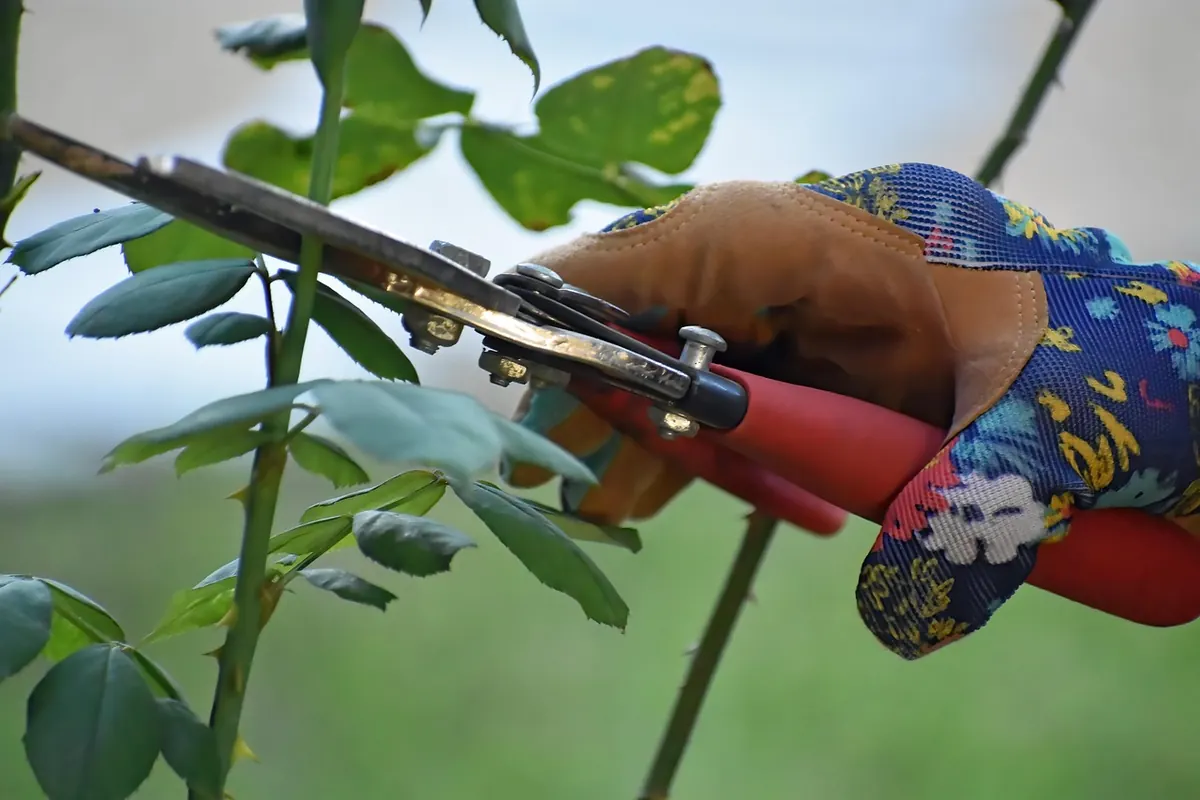
A practical guide to deadheading: where to pinch, how to angle the cut, and which flowers to leave alone so seed...

Cultivating beauty in every garden corner.
